


By Kara Hicks, VP, Behavioral Health Services, Goodwill of Greater Detroit
At a time when employers are searching for skilled, dependable talent, hundreds of thousands of Michiganders with disabilities remain underrepresented in the workforce.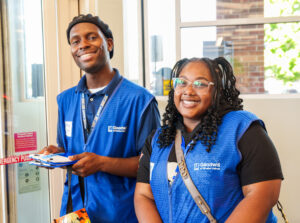
Inclusive hiring helps close that gap, creating opportunities for qualified individuals while giving businesses access to a broader talent pool, stronger employee engagement and diverse perspectives that drive success.
As we mark National Disability Employment Awareness Month, now is the time to spotlight Michigan disability employment and the more than 700,000 working-age individuals in the state living with cognitive, hearing, ambulatory or visual disabilities – 51% of whom are unemployed, according to SourceAmerica.
Why Disability Inclusion is a Business Advantage
Disability-inclusive hiring is not only the right thing to do, it is a sound business strategy.
At a time when employers across the U.S. are struggling to fill open positions, disability inclusion in the workplace offers a practical way to reach candidates whom employers frequently overlook while delivering a strong return on investment. An Accenture study found that companies leading in disability inclusion generate 1.6 times more revenue than their peers.
Becoming a leader in this area often requires little to no financial investment. In a Job Accommodation Network (JAN) survey, 94% of employers reported that accessibility support and designs either cost nothing or involved only a one-time expense. And the benefits are clear: More than half the respondents to JAN’s survey said accommodations that the company implemented were very effective or extremely effective in enabling employees with disabilities to fulfill their job duties.
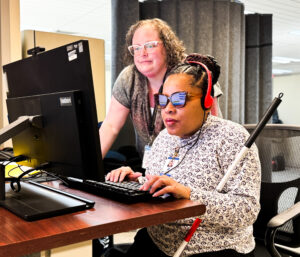
Other practical changes that support employees with disabilities while benefiting the broader workforce include flexible scheduling, accessible technology, clearer communication and adjusted workspaces.
By hiring skilled candidates with disabilities, organizations can boost retention and performance while helping close the employment gap.
How to Build a More Inclusive Workforce
Organizations looking to foster a more inclusive culture can begin by auditing and strengthening the application process. Here are a few recommendations:
- Use clear, plain language while also focusing on the skills essential to the role.
- Remove nonessential physical requirements that typically discourage qualified candidates from applying.
- Be sure job listings explain how the organization supports employees with disabilities, including available accessibility accommodations.
Organizations can also reach candidates with disabilities through screen reader-compatible postings, disability-focused job boards and targeted job fairs.
Evaluate your interview process, too. Ask every candidate the same questions and offer in-person, phone or virtual formats based on their needs. Focus on candidates’ strengths, not perceived limitations.
Once you fill a role, carry inclusion into onboarding and employment through reasonable practices and regular accessibility training.
Together, these practices strengthen an inclusive culture and equip teams to sustain it.
Preparing Individuals with Disabilities for the Workforce
Entering the workforce can feel unpredictable and overwhelming for individuals with intellectual and developmental disabilities.
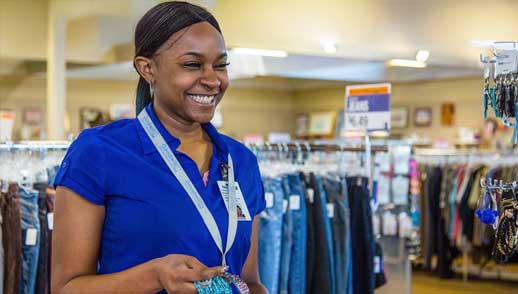
At Goodwill of Greater Detroit, we help ease that transition with tailored programs designed to build both skills and confidence.
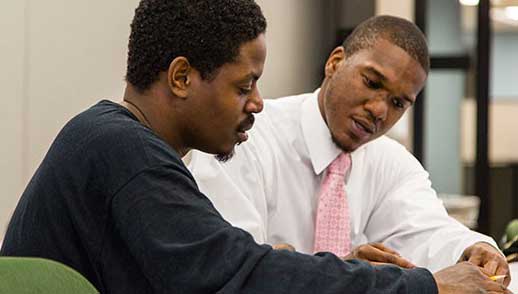
We provide our program participants with training in daily living skills, transferable job skills and workplace readiness habits, and help them to overcome employment barriers based on their individual needs. Our goal is for participants to navigate workplace expectations, strengthen interpersonal skills needed to interact effectively with colleagues and build the confidence to explore new responsibilities and opportunities for growth.
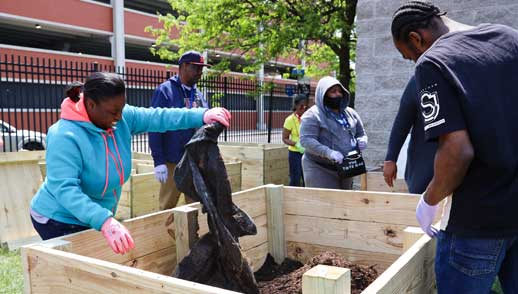
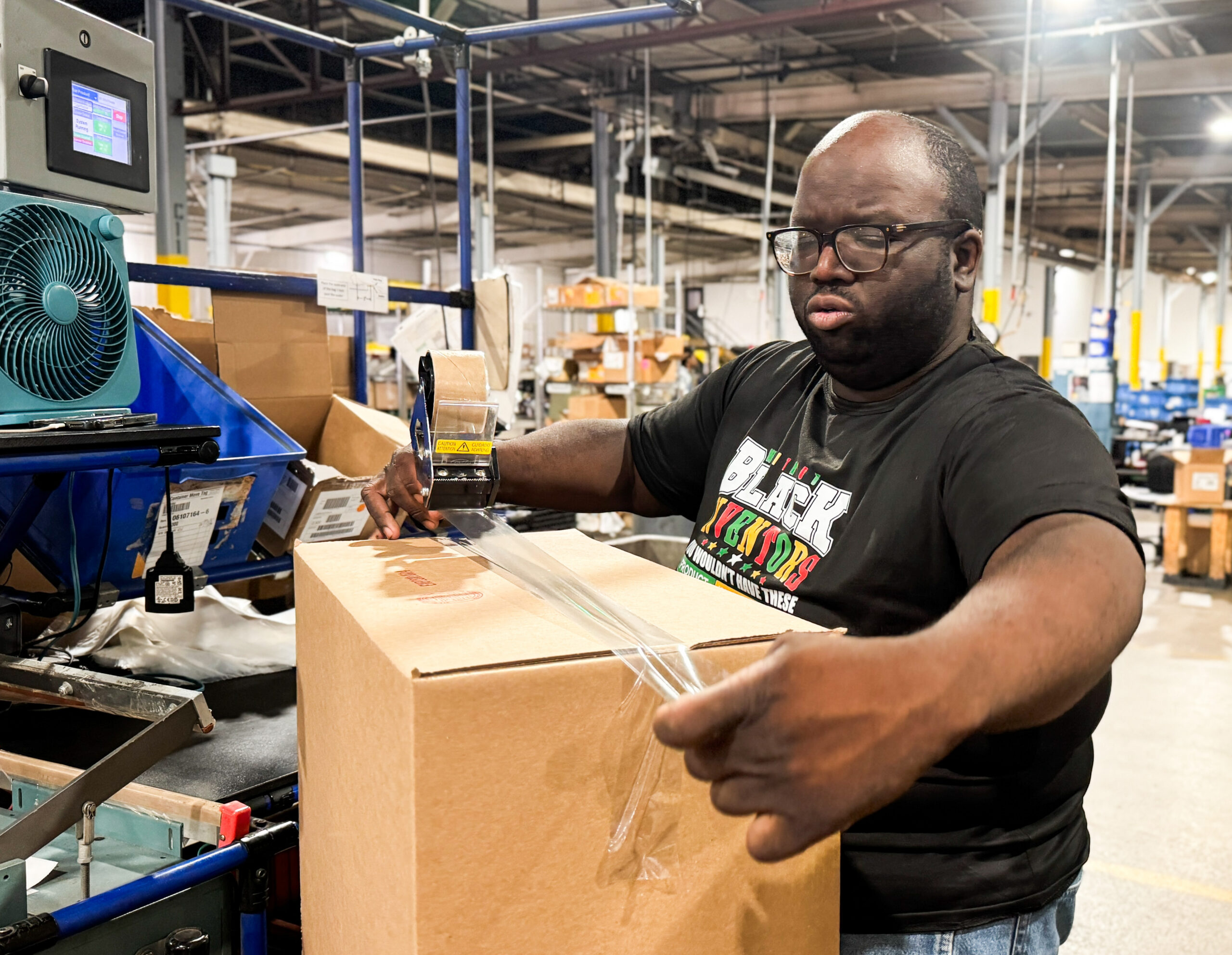
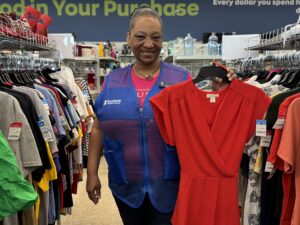
Trainees put these acquired skills into practice using transitional work systems in a real-world setting to test their strengths and interests, all with the goal of helping them achieve greater independence and to land a job they love.
Our transitional work programs offer a model of success for employers to see how inclusive practices can pair qualified candidates with opportunities to contribute.
Investing in workplace inclusion creates value for businesses while opening doors for people seeking meaningful employment. Learn how Goodwill’s Life Skills program prepares participants with the skills and confidence to succeed in the workplace and become valued members of your team.