


By Greg Anderson, Vice President of Workforce Development, Goodwill of Greater Detroit
A job opens the door, but a career changes a life.
This simple concept is often difficult to put into practice. Many workforce development programs only focus on one part of the equation: job placement.
Few programs consider potential barriers that can prevent someone from turning that job into a career, like transportation, childcare, mental health challenges, criminal history, disabilities or not having an industry recognized credential. A truly comprehensive workforce development approach pairs career training with barrier removal, helping individuals not just find jobs, but build careers.
Metro Detroit Employment Barriers
Over the years, the Detroit area has garnered a few nicknames defined by our automotive, manufacturing and service industries workforce: The Motor City, Motown Machine, Car City USA and, more recently, the Renaissance City.
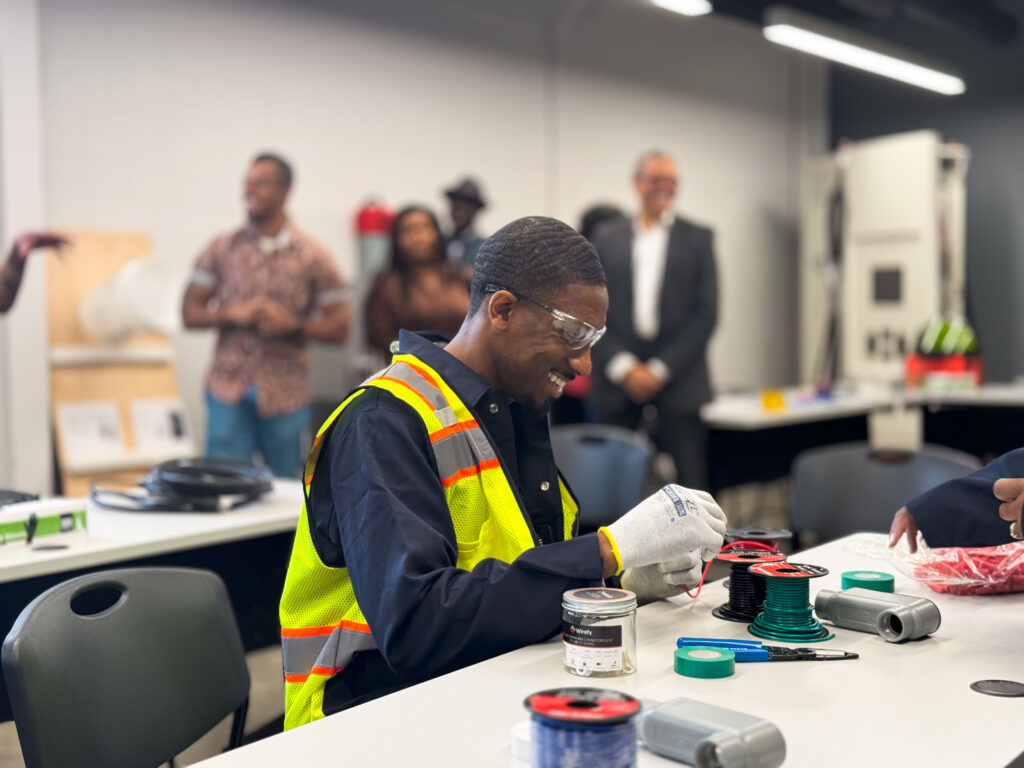
As Detroit continues to reinvent itself, its workforce is evolving, too. But the work isn’t done.
According to the Michigan Center for Data and Analytics, as of July 2026 about 131,930 people are unemployed across the metro Detroit region, including Wayne, Oakland, Macomb, Livingston and Washtenaw counties.
Unemployment is only part of the challenge. A report from the Detroit Regional Workforce Partnership identified several factors that can make it difficult for people to secure and sustain employment. The data shows that transportation and childcare are among the top drivers of employee absenteeism and turnover:

- 1 in 4 Michigan adults experience transportation insecurity
- 20% of southeast Michigan’s workers report transportation as a barrier to their employment
- 14% of parents have left a job because of inadequate childcare services
- Parents working full time at minimum wage spend 46% of their income on childcare
- 62% of parents report missing work or school at least once during a three-month period due to lack of childcare
When workforce barriers like transportation and childcare are addressed, employers experience higher retention rates, reduced absenteeism and increased productivity while employees see greater economic growth and improved well-being.
Removing Barriers Through a Person-Centered Approach
Effective workforce development starts with a person-centered approach. No two individuals have the same skillset, preferences or professional aspirations, so successful programs move beyond a “one-size-fits-all” model in favor of creating more individualized pathways to learning, growth and development.
This helps tie a person’s aptitude, skillset and passions more closely with their career aspirations while also creating an understanding of the individual barriers that may hinder success.
It starts with questions: What kind of work do you enjoy? What skills are you most confident in? What does a career look like to you? What responsibilities or barriers could make traditional employment difficult? What support would help you succeed?
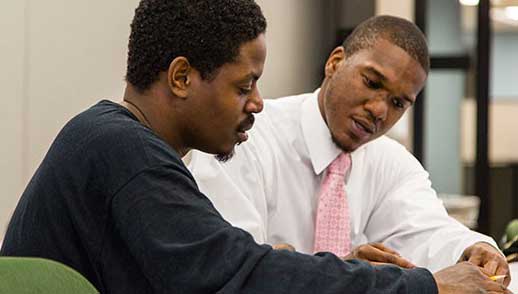
This person-centered approach empowers workforce development program administrators to provide support where it’s needed most through the right combination of training, therapy, financial coaching, family care, mentorship and wraparound support. The goal isn’t simply to place someone in a job. The goal is to help them find a path that leads to economic mobility.
 Take Louis, for example. After graduating high school, Louis didn’t know where his story would take him. But when he took part in a construction program in high school there was a spark.
With an interest in construction but no sense of how to activate it, Louis turned to Goodwill of Greater Detroit. Through hands-on construction training, education and ongoing mentorship, Louis’s case manager at our Oakland County Michigan Works! One Stop Service Center in Pontiac helped him turn his passion into a career path.
Louis began working for a window and siding installation company and building a career that aligns with his interests and strengths. He is thriving because he was given the resources to follow the right path for him.
A Snapshot of Opportunity in Metro Detroit
Louis’s experience also points to a larger opportunity: skilled trades careers are in high demand throughout metro Detroit and across Michigan. By 2030, professional trades are expected to account for more than 520,000 jobs across the state, with nearly 45,000 new job openings annually. Amid ongoing infrastructure projects, manufacturing activity and construction growth, metro Detroit employers are increasingly seeking workers with adaptable technical skills and practical experience.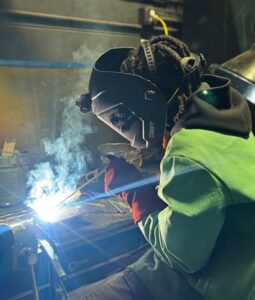
In Michigan through 2032:
- Industrial mechanic jobs will increase by 9.6%
- Industrial engineer jobs will grow 9.5%
- CNC tool programmer jobs will increase by 9.5%
- Electrician jobs will climb 5.1%
- Construction jobs will grow 2.4%
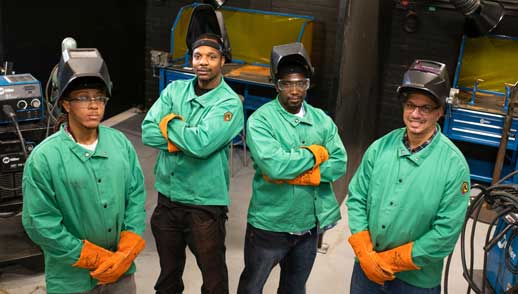
Welding provides another example of the immediate demand for skilled workers. Nationally, the American Welding Society projects a need for 320,500 new welding professionals in the next three years.
All of this represents an opportunity to build careers in fields where trained workers are needed most. When technical knowledge is paired with hands-on experience, workforce training can confidently prepare individuals to compete and succeed in jobs with long-term potential.
Unlocking Detroit’s Career Potential

With thousands of metro Detroiters in need of a clear path out of unemployment, this is a challenge we can tackle together.
- To those struggling with chronic under- or unemployment: It’s up to you to kickstart this journey – you don’t have to navigate it alone. Follow what drives you, ask for help with what limits you, and know that a life of prosperity is what you can and deserve to enjoy.
- To employers seeking sustainable talent: Invest in holistic wraparound support, including sustained mentorship, transportation assistance, financial coaching, childcare options and more. These elements are the difference between turnover-bound hires and career hires. In 2025, Goodwill’s own programming resulted in 89% job retention beyond six months for participants. Partner with a local non-profit to deliver wraparound support to your employees.
- To other members of the community: Help spread the good. Confront negative stigma around unemployment when you encounter it, lend a helping hand to anyone you know who is struggling, and consider donating to or volunteering with local workforce development support programs to ensure help keeps pace with need.
For Detroiters and local employers ready to take the next step toward creating sustainable careers, the Career Academy – Goodwill of Greater Detroit offers training, guidance and support to help make that path possible. Click the link to learn more.